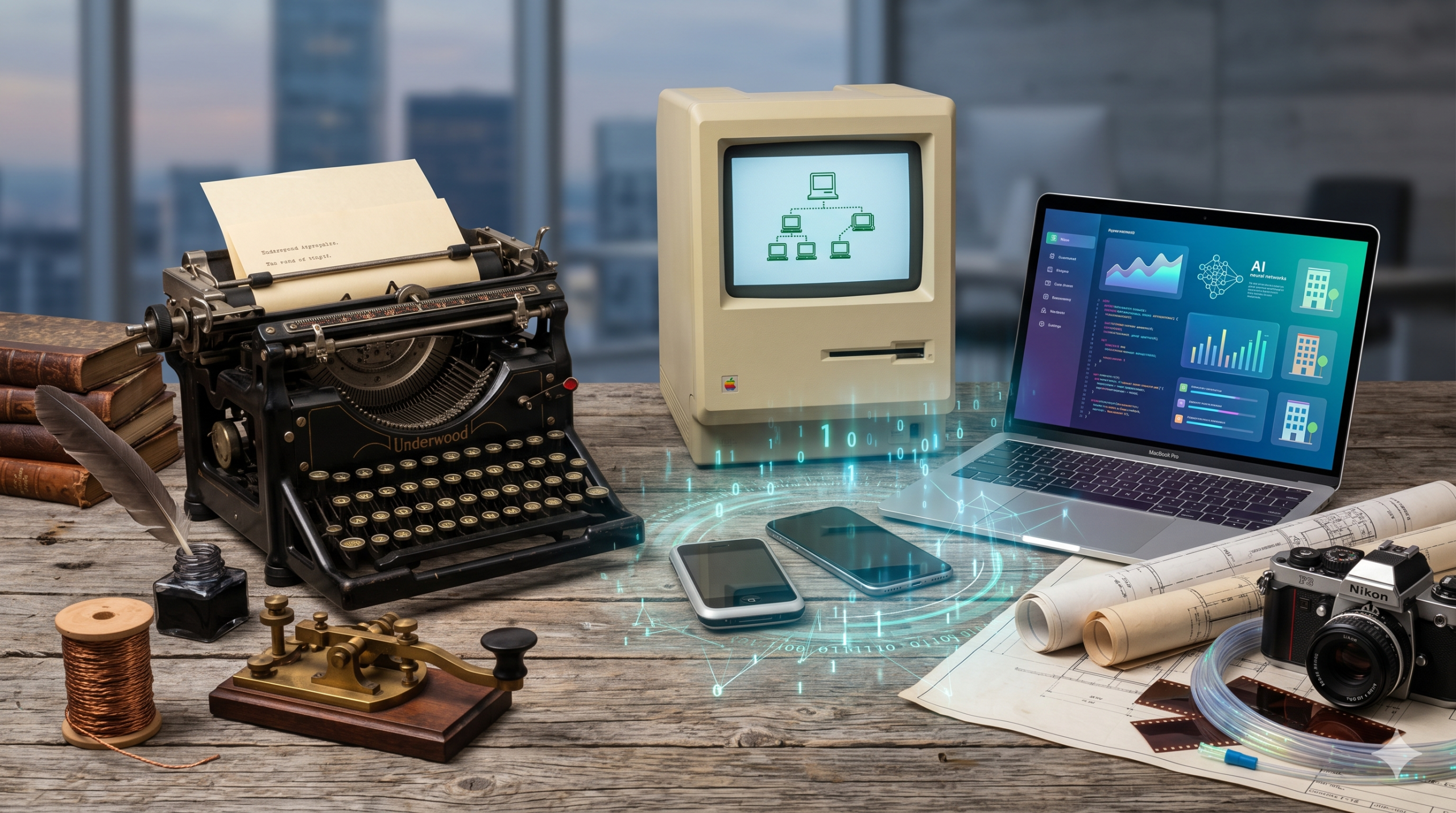
Before starting these blogs, I thought of the digital world as the modern technology we have today. Phones, computers, AI, and all the tools we use every day are what make up the modern digital world. Of course, I knew technology had a history before that, but I did not really think about how far back some of these modern technologies and ideas went. After writing these blogs, I started to see the digital world less as one invention, and more as a long process of people trying to make information easier to store, send, copy, and use.
That was probably the biggest shift for me. Digital does not just mean new or advanced; it means taking something from the real world and turning it into a system that can be organized. Writing did that with language, Morse code did that with messages, and computers do that with almost everything now. The tools changed, but the basic ideas for these concepts are all similar. People have always looked for ways to take messy real-life information and make it easier to handle.
The part I found most interesting is that going digital always comes with a tradeoff. Digital systems are usually faster, cleaner, and easier to share. These systems can store information, send it across the globe in seconds, and repeat the whole process indefinitely without running into the same number of breakdowns that older systems did. That is why digital communication has become so powerful; it made the world more efficient.
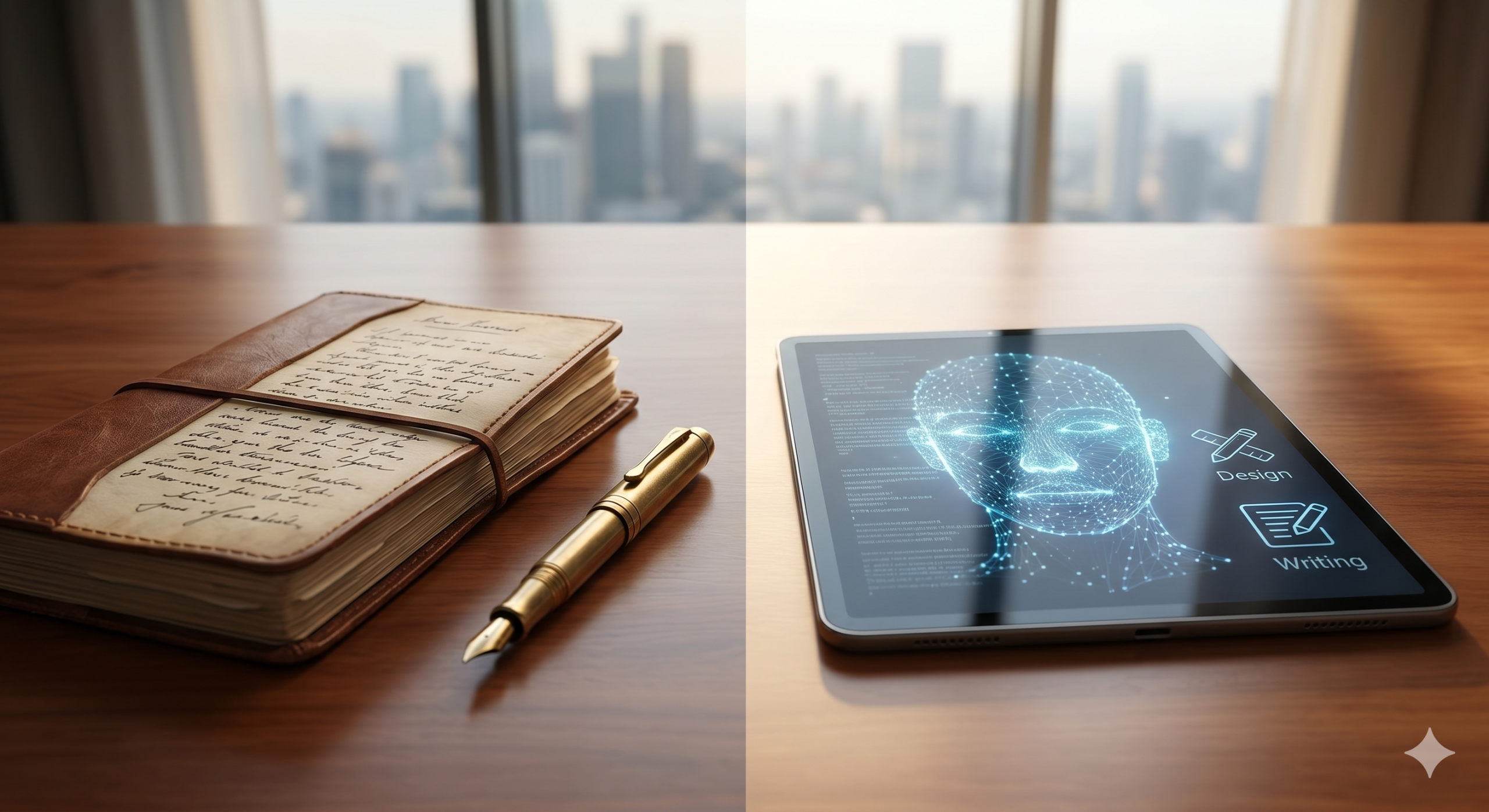
At the same time, digital does not always mean better. When something becomes digital, it usually gets simplified in some way. A sound wave becomes measurements, a message becomes symbols, a photo gets pixelated, and a conversation becomes a text or email. In each of these cases, something is gained, but something can also be lost.
When I think about AI, that tradeoff comes up a lot. AI is very useful since it generates things extremely fast, organizes information, and helps people get work done quicker. In contrast, it also shows the limits of digital tools. For example, AI can sound creative or confident, but that does not mean it understands things the way a human being does, since the way we come to conclusions is not linear like a computer. AI can help with ideas, writing, business, and design, but the person using it still must know what they are doing.
All of this impacts the way I think about and use technology now. Digital tools are best when they can help support human judgment, but not when people depend on them blindly. We see a lot of people now not trusting other humans because an AI chatbot suggested a different answer. A good tool can help save time and make an individual more efficient, but it cannot replace experience, common sense, or real decision-making that we humans have over artificial intelligence. If someone does not understand the results behind the tool they are using, the tool can only help so much since it also makes mistakes like humans do.
My Buildium presentation made this idea more real because it connected the course to something I use. Property management software like Buildium can organize rent, listings, applications, leases, work orders, and so on. That is a huge improvement over random messages, stacks of paper, spreadsheets, and memory. However, the software does not manage the property by itself. Someone still must update the information, follow up, communicate with tenants, and make the right decisions.
That is how I currently see the world as these technologies become more accessible to the public. It gives people better systems, but responsibility is not removed. Privacy is also becoming important. As people become more dependent on these digital technologies, communication can become less personal, and mistakes can spread faster if nobody is paying attention.
I do think that the digital world is a good thing for the most part, but I also believe that it should not be treated as a replacement for everything that came before it. Digital tools are powerful since they are more efficient, but the danger is forgetting that real life is still more complicated and not as linear as these chatbots like to answer.
The biggest takeaway is that the digital world is not magic; it comes with a tradeoff. Every time something from real life becomes digital, we often gain speed and efficiency, but we also have to pay attention to what gets left out. That part is what matters the most, and technology should help people do better things for the world, not make them stop thinking for themselves.
Tool used: ChatGPT (GPT-5.2) Purpose: Structural feedback, grammar suggestions at the end, and title suggestion. All writing and ideas are my own.